What is the 2050 Long Range Transportation Plan (LRTP)?
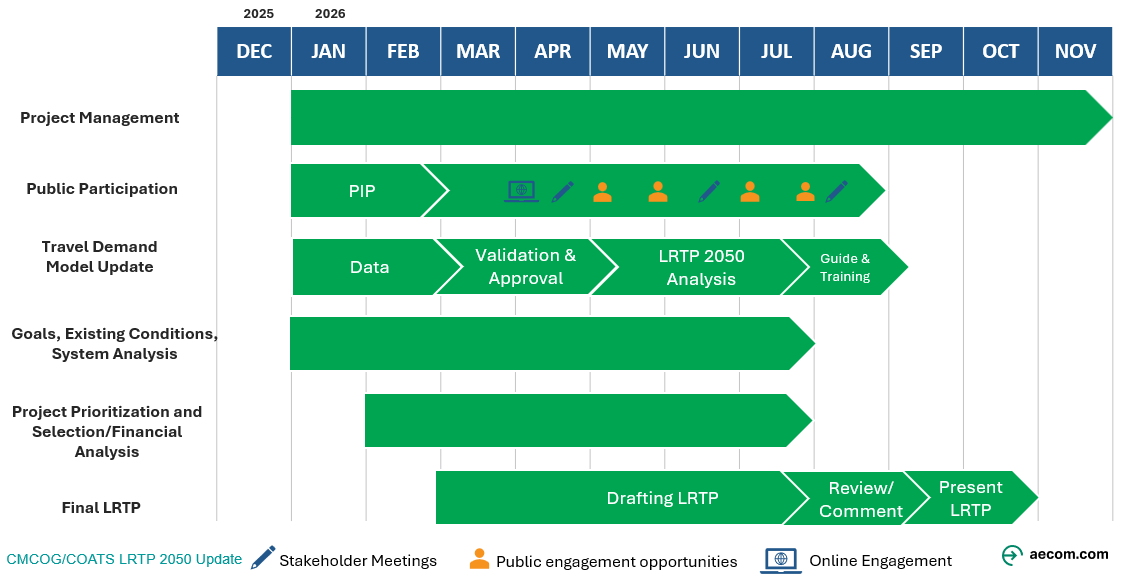
Have you ever wondered how decisions are made about the roads you drive on, the buses you ride, or the bike paths you enjoy? The 2050 LRTP is a 25-year roadmap that identifies future transportation needs—roads, transit, bike lanes, and more—for both urban and rural areas in the Central Midlands region.
Who is behind this plan?
The Central Midlands Council of Governments (CMCOG) leads the effort. CMCOG hosts:
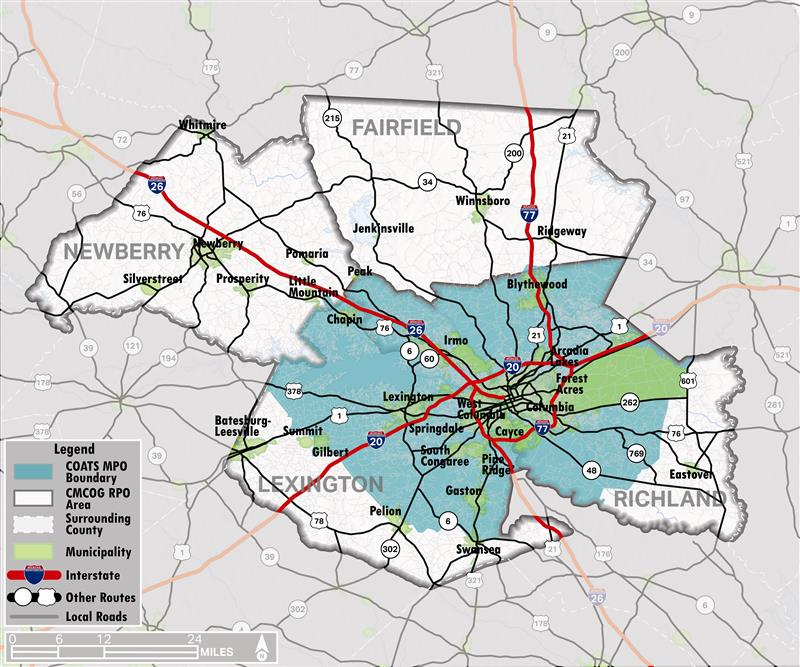
Columbia Area Transportation Study (COATS) Metropolitan Planning Organization (MPO) for urban areas
CMCOG Rural Planning Organization (RPO) for rural communities
Together, they work with partners like SCDOT, FHWA, and FTA to make sure transportation planning is forward-thinking through a comprehensive, continuous, and coordinated approach.
Why do we need an MPO and RPO?
The Census Bureau’s urban-rural classification is a crucial tool for transportation planning, as it helps to identify areas that are densely developed and those that are not. This classification is used by federal agencies, including the FTA and FHWA, to allocate grant funding and determine project eligibility under various federal programs. These designations are based on the most recent Census data and are used to define boundaries for urban/rural functional classification and to assist in long-range planning and transportation performance monitoring.
- Every urbanized area with more than 50,000 people must have an MPO? It’s a federal requirement to ensure transportation planning is preformed to federal standards.
- Areas outside of the MPO are considered to be rural. An RPO plays a similar role—bringing local voices into the process so rural communities aren’t left behind.
What does this mean for you?
Transportation planning affects how you commute, how goods move, and how safe and efficient our roads are. The LRTP looks at:
- Long-term needs (What will our region look like in 2050?)
- Short-term priorities (What projects should be funded now?)
Multi-modal options (Cars, buses, bikes, pedestrians—what works best for everyone?)
Where does this happen?
The CMCOG/COATS MPO covers Richland, Lexington, Fairfield, and Newberry Counties—an area of 2,886 square miles with nearly 769,000 residents. Because our urban population exceeds 200,000, we’re classified as a Transportation Management Area (TMA), which means extra federal requirements to keep our system running smoothly.
How can you get involved?
Your input matters! Visit the public engagement page to:
- Access online surveys.
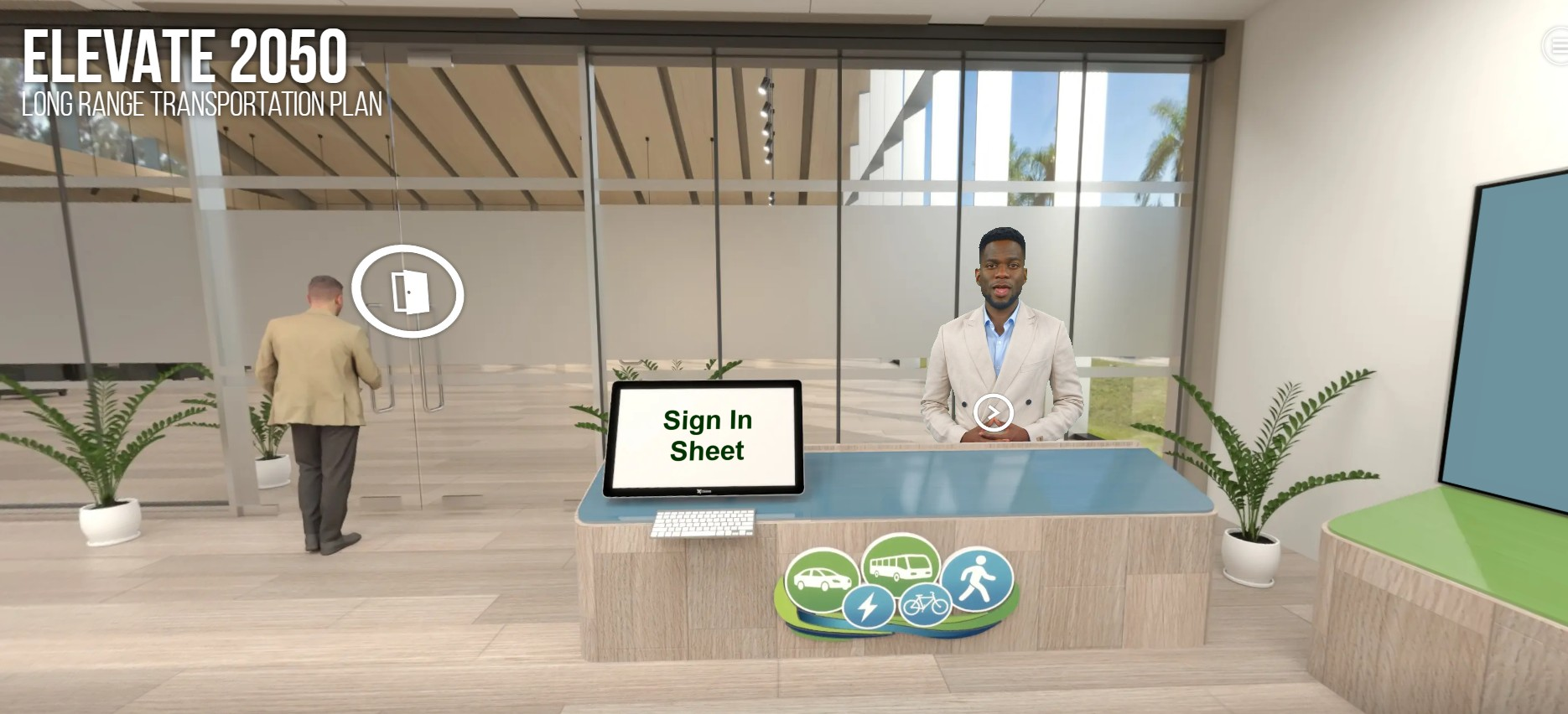
- Visit the virtual public engagement room.
- Find out about in person public meetings.
- Find out about popup events near you.